How Long Can a 5kWh LiFePO4 Battery Power a Home? A Real Guide from Battery Engineers
We often receive inquiries from customers asking, “I’m very interested in your product. How long can a 5kWh lithium battery last?”
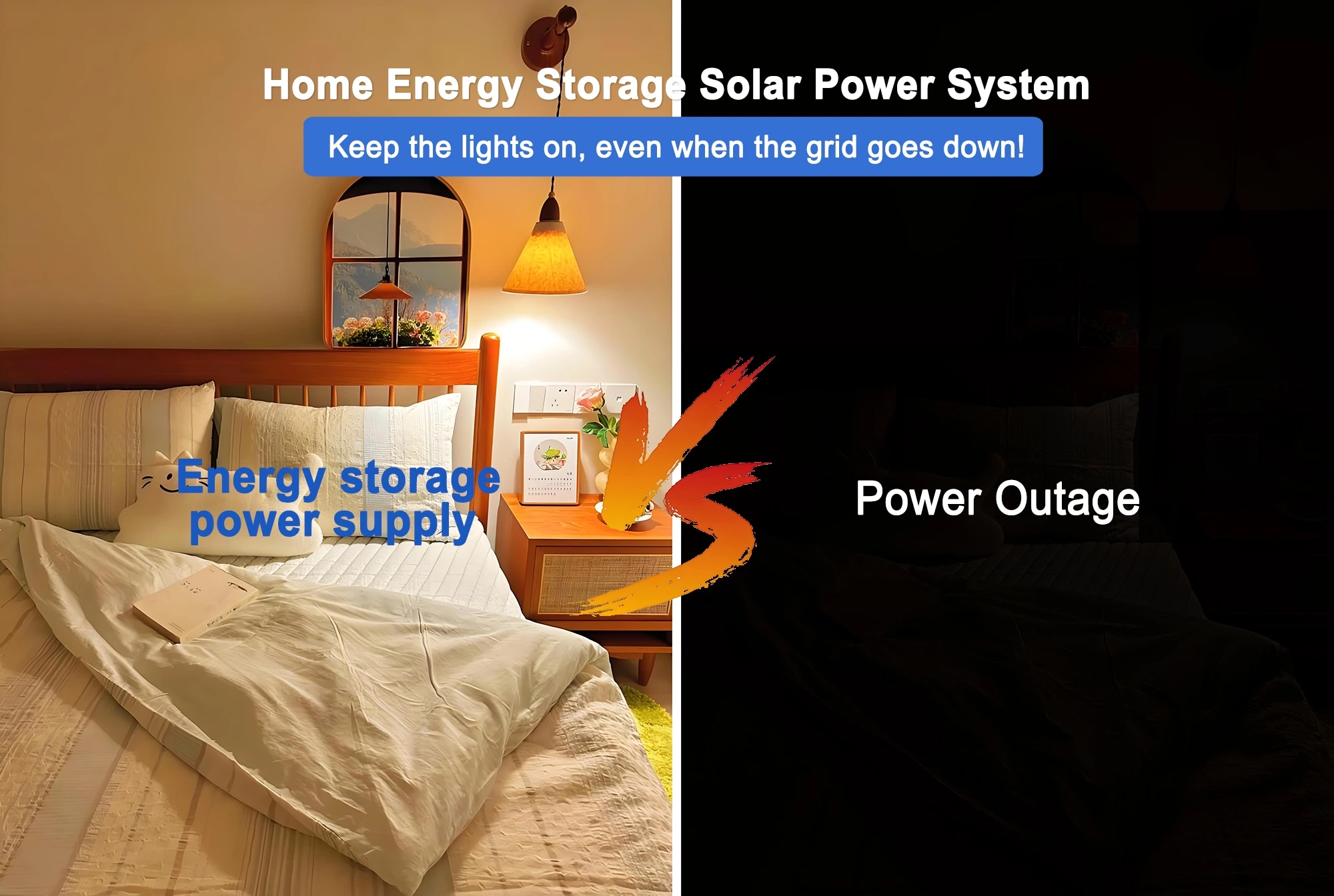
When customers are selecting a home energy storage battery, one of the first questions they usually ask us is:
“How long can a 5kWh lithium battery run my home appliances?”
This is a very common question we receive from homeowners, installers, and distributors.
The short answer is: there is no fixed running time.
A 5kWh battery does not automatically mean it can run for a specific number of hours. The actual backup time depends mainly on the power consumption of your appliances, inverter efficiency, battery usable capacity, and how much energy you use during the backup period.
In real residential energy storage projects, we often see two homes using the same 5kWh battery but getting completely different backup times. One customer may use the battery overnight for basic loads, while another may drain it within several hours by running air conditioning and other high-power equipment.
What Does a 5kWh Lithium Battery Mean?
A 5kWh lithium battery means the battery can store approximately:
5 kilowatt-hours (kWh) of energy
or:
5,000Wh
However, the actual usable energy is usually lower because of system losses and battery protection settings.
For example:
- Battery capacity: 5,000Wh
- Battery usable depth of discharge: around 90%
- Inverter efficiency: around 90%–95%
The available energy may be approximately:
5,000Wh × 90% × 90%–95% ≈ 4,000–4,300Wh
This is the energy that can actually be delivered to household appliances.
A common calculation method is:
Backup Time (Hours) = Usable Battery Energy (Wh) ÷ Total Load Power (W)
How Long Can a 5kWh Battery Run Different Appliances?
The runtime depends on what appliances are connected and how often they operate.
Below are typical examples based on average household loads:
| Appliance | Average Power Consumption | Estimated Runtime |
|---|---|---|
| LED lighting (10 × 10W) | 100W | About 40–45 hours |
| WiFi router | 15W | Over 200 hours |
| TV | 100W | About 40 hours |
| Laptop | 60W | About 60–70 hours |
| Refrigerator | 100–200W average | About 20–35 hours |
| Fan | 50W | About 80 hours |
| Small air conditioner | 800–1200W | About 3–5 hours |
| Microwave oven | 1000W | About 3–4 hours |
Actual results may vary depending on appliance operating cycles, battery condition, temperature, and inverter efficiency.
Real Example: Using a 5kWh Battery for Home Backup
In most home backup applications, customers do not run every appliance during a power outage.
Usually, they prioritize essential loads:
- Refrigerator
- Lighting
- WiFi router
- TV
- Mobile phone charging
- Security system
For example:
| Device | Power |
|---|---|
| Refrigerator | 150W |
| LED lights | 50W |
| WiFi router | 15W |
| TV | 100W |
| Charging devices | 50W |
Total load:
150W + 50W + 15W + 100W + 50W = 365W
A 5kWh lithium battery:
5,000Wh × 90% usable capacity ÷ 365W ≈ 12 hours
In this situation, a 5kWh battery can normally support essential household electricity needs through the night.
This is also one of the most common applications we see in residential energy storage systems.
What Factors Affect 5kWh Battery Runtime?
1. Household Load Consumption
The connected load is the biggest factor affecting runtime.
A battery powering a 300W load will last much longer than the same battery powering a 2,000W load.
For residential systems, we usually recommend customers first identify:
- Which appliances need backup power?
- How many hours of backup are required?
- Are high-power devices included?
This helps avoid choosing a battery system that is either too small or unnecessarily expensive.
2. Inverter Efficiency
The battery stores DC power, while most home appliances use AC power.
The inverter converts DC electricity into AC electricity, and some energy is lost during this process.
A high-quality hybrid inverter normally achieves around:
90%–95% efficiency
A more efficient inverter means more stored energy can actually be used.
3. Battery Depth of Discharge (DOD)
Lithium batteries are normally not discharged completely to 0%.
Most LiFePO4 battery systems use a controlled discharge range to protect battery life.
For example:
A 5kWh battery with 90% usable capacity:
5kWh × 90% = 4.5kWh available energy
A reliable BMS (Battery Management System) helps control:
- Overcharge protection
- Over-discharge protection
- Temperature monitoring
- Current protection
This improves safety and extends battery service life.
4. Temperature and Installation Environment
Temperature also affects battery performance.
LiFePO4 batteries generally perform best around:
15°C–35°C
In extremely cold or hot environments:
- Available capacity may decrease
- Charging speed may be reduced
- Battery efficiency may be affected
For outdoor installations, proper enclosure design and thermal management are important.
Can a 5kWh Battery Power an Entire House?
The answer depends on the home's electricity demand.
For small homes or apartments, a 5kWh battery can usually provide reliable backup power for essential appliances.
For larger houses with:
- Air conditioners
- Electric water heaters
- Electric ovens
- Multiple high-power devices
one 5kWh battery may not provide enough energy.
In these cases, battery expansion is usually recommended.
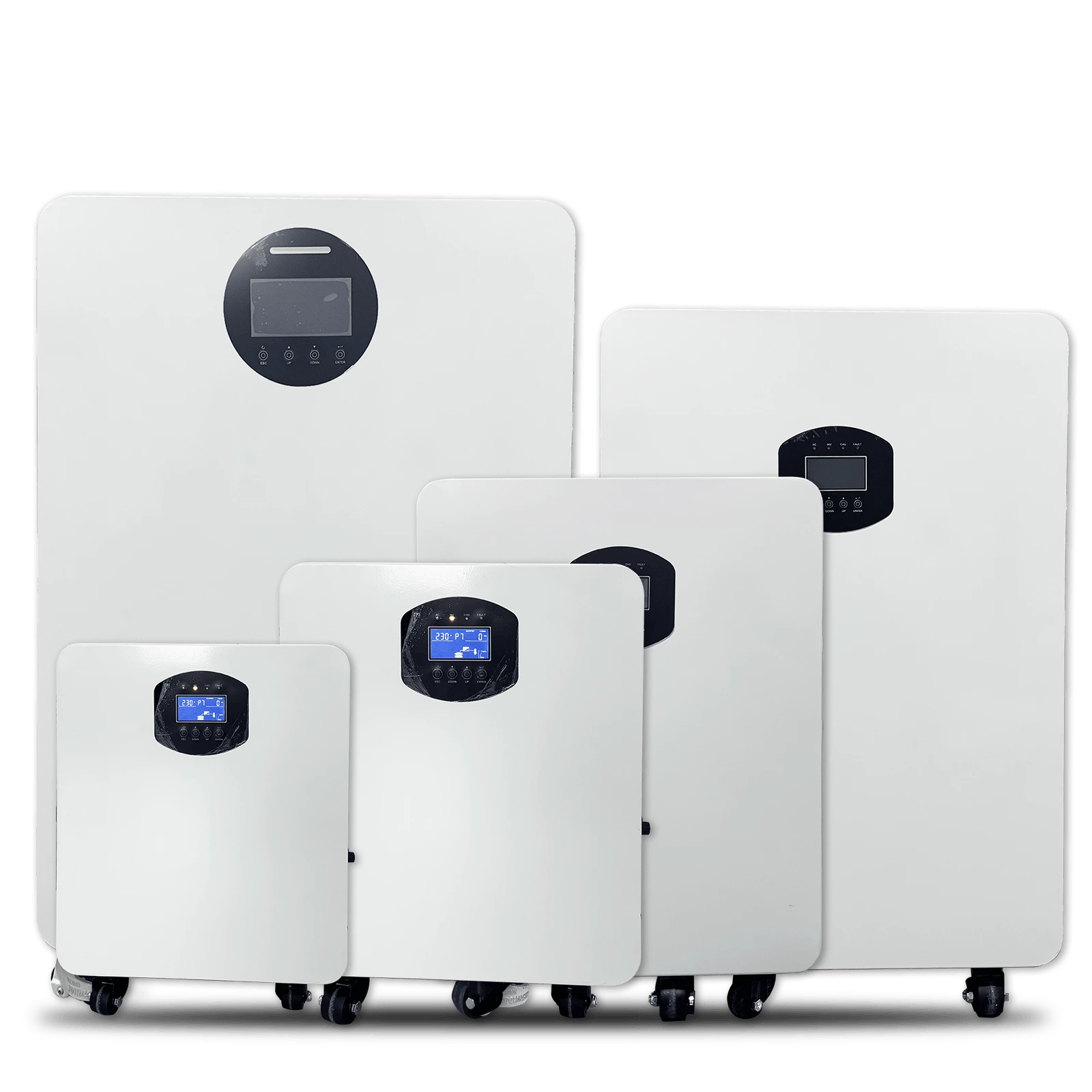
Typical configurations:
1 × 5kWh Battery
Suitable for:
- Basic backup power
- Lighting
- Communication devices
- Refrigerator backup
2 × 5kWh Batteries (10kWh)
Suitable for:
- Larger homes
- Longer backup time
- More daily energy usage
3–4 × 5kWh Batteries
Suitable for:
- Higher energy demand
- Off-grid applications
- Homes with solar systems
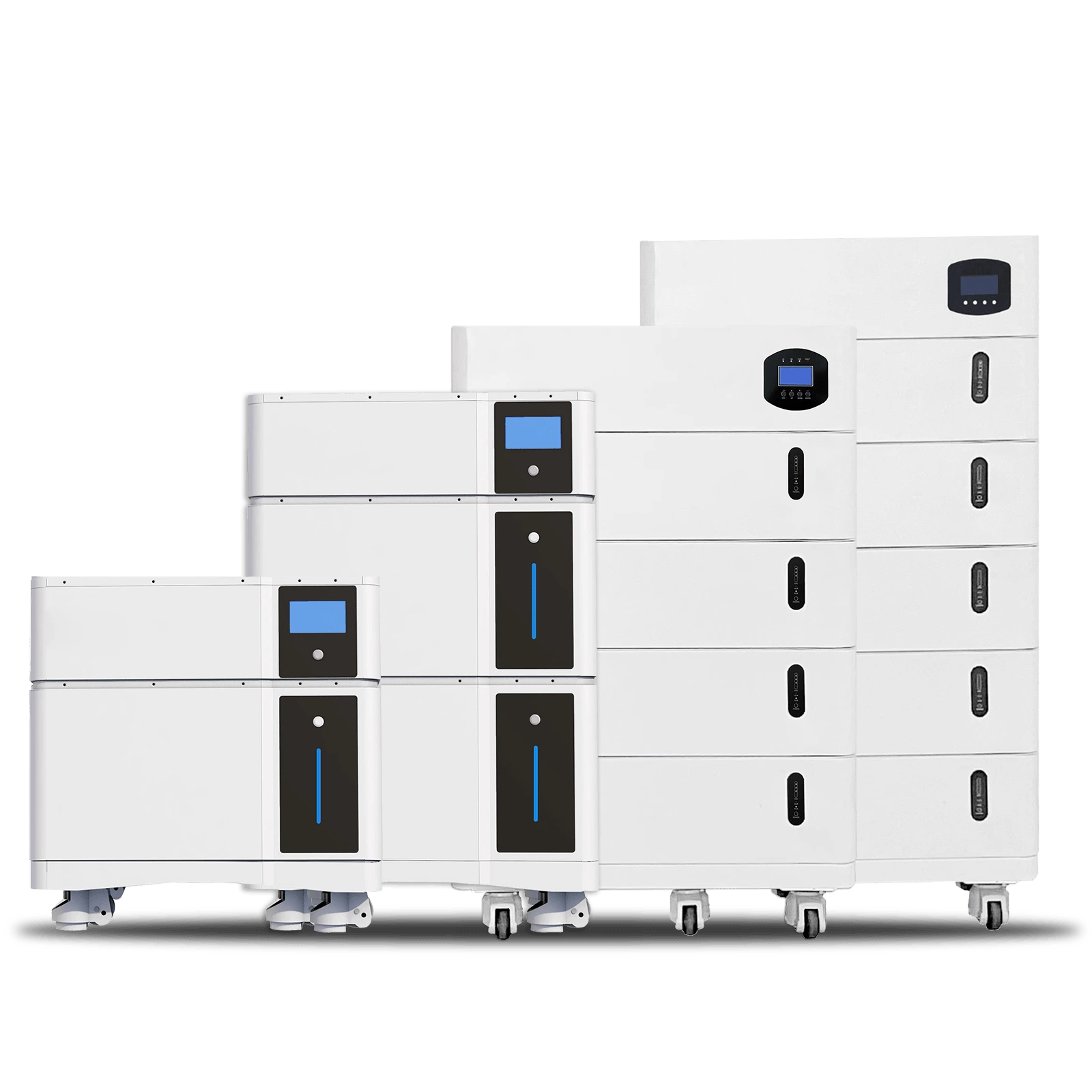
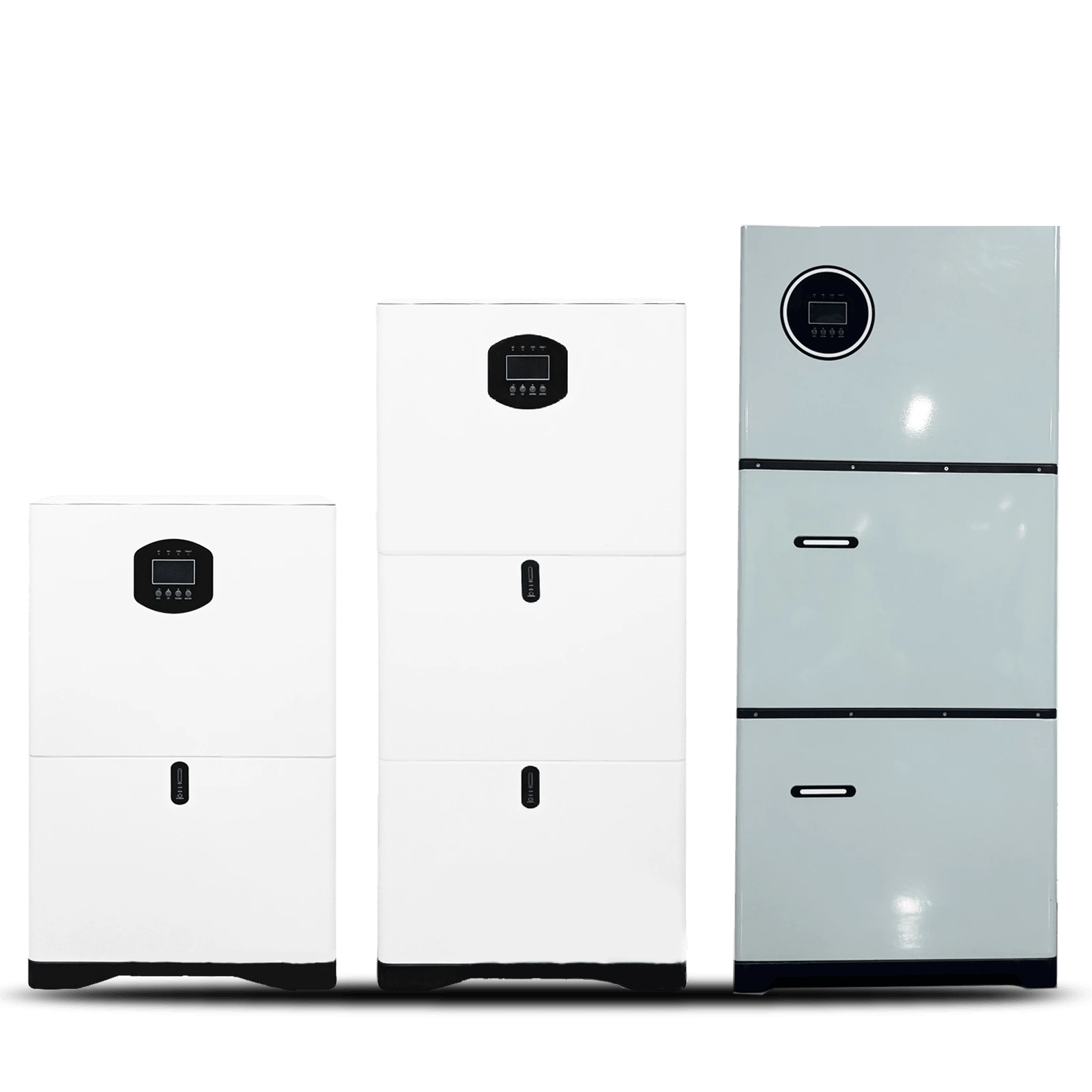
Why Many Customers Choose 5kWh LiFePO4 Battery Systems
From our experience working with residential energy storage projects, 5kWh has become a popular battery size because it provides a good balance between capacity and installation flexibility.
Main advantages include:
- Expandable capacity by connecting multiple battery units
- Long cycle life with LiFePO4 chemistry
- High safety performance with intelligent BMS protection
- Stable power output for daily household loads
- Easy integration with solar and hybrid inverter systems
For many households, a modular battery design is more practical than installing a very large battery system at the beginning.
Conclusion: How Long Will a 5kWh Lithium Battery Last?
A 5kWh lithium battery can run anywhere from several hours to multiple days depending on the connected loads.
In typical home backup applications:
- Essential household loads: 8–15 hours
- Low-power loads only: much longer
- High-power appliances: several hours
The most important step is not simply choosing the largest battery, but matching battery capacity with your actual electricity needs.
A properly designed 5kWh LiFePO4 energy storage system can provide reliable backup power, reduce dependence on the grid, and offer a flexible solution for residential solar energy applications.