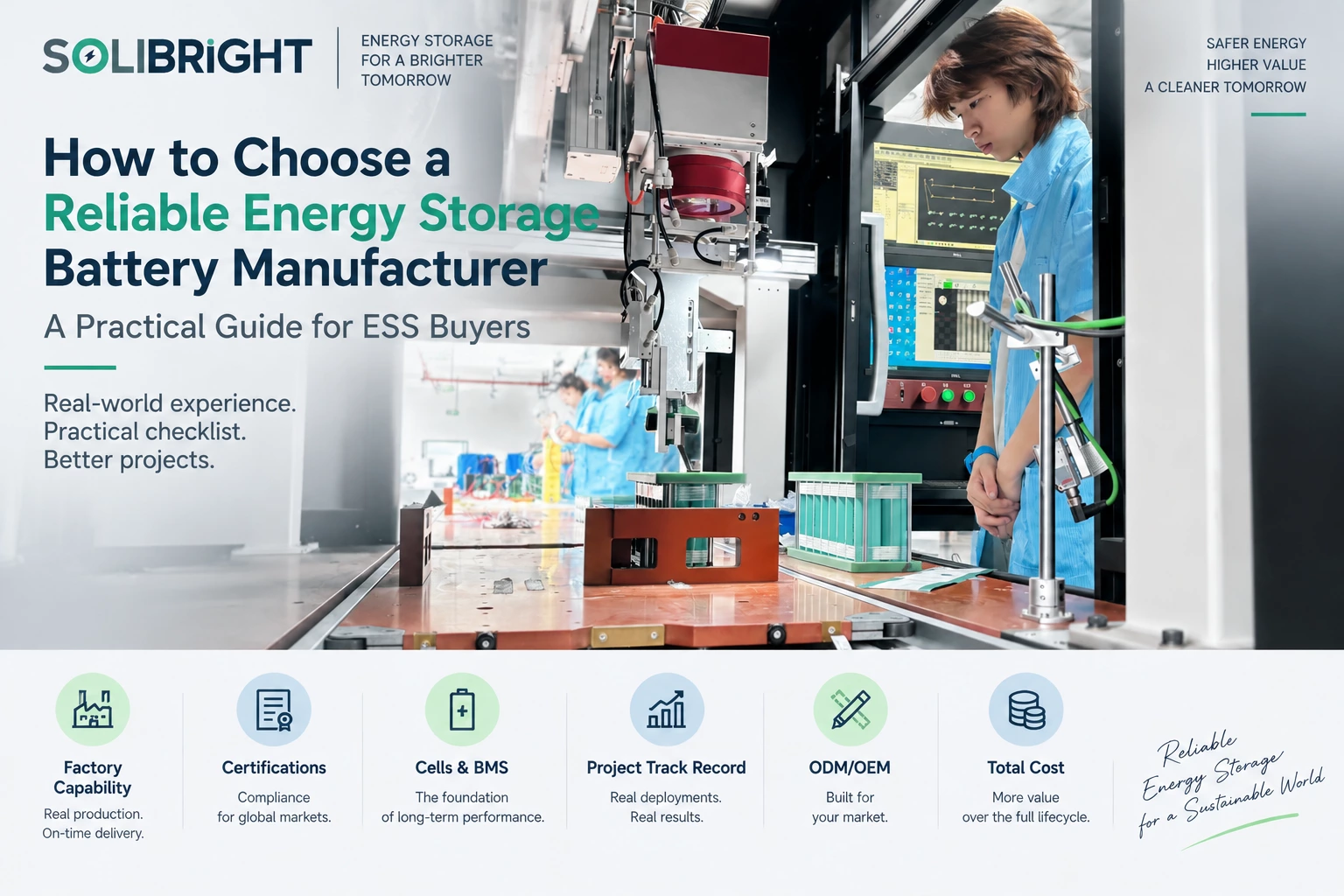
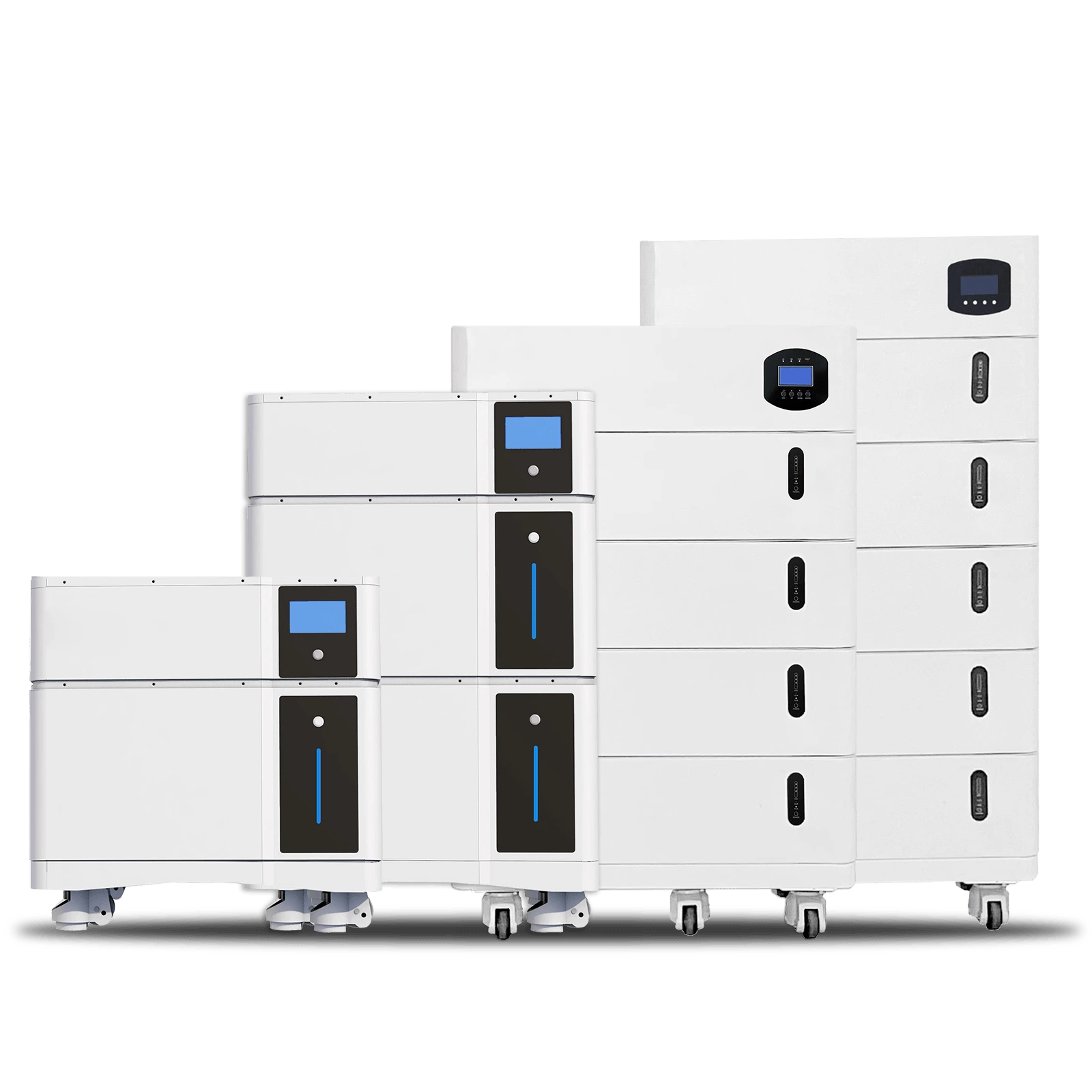
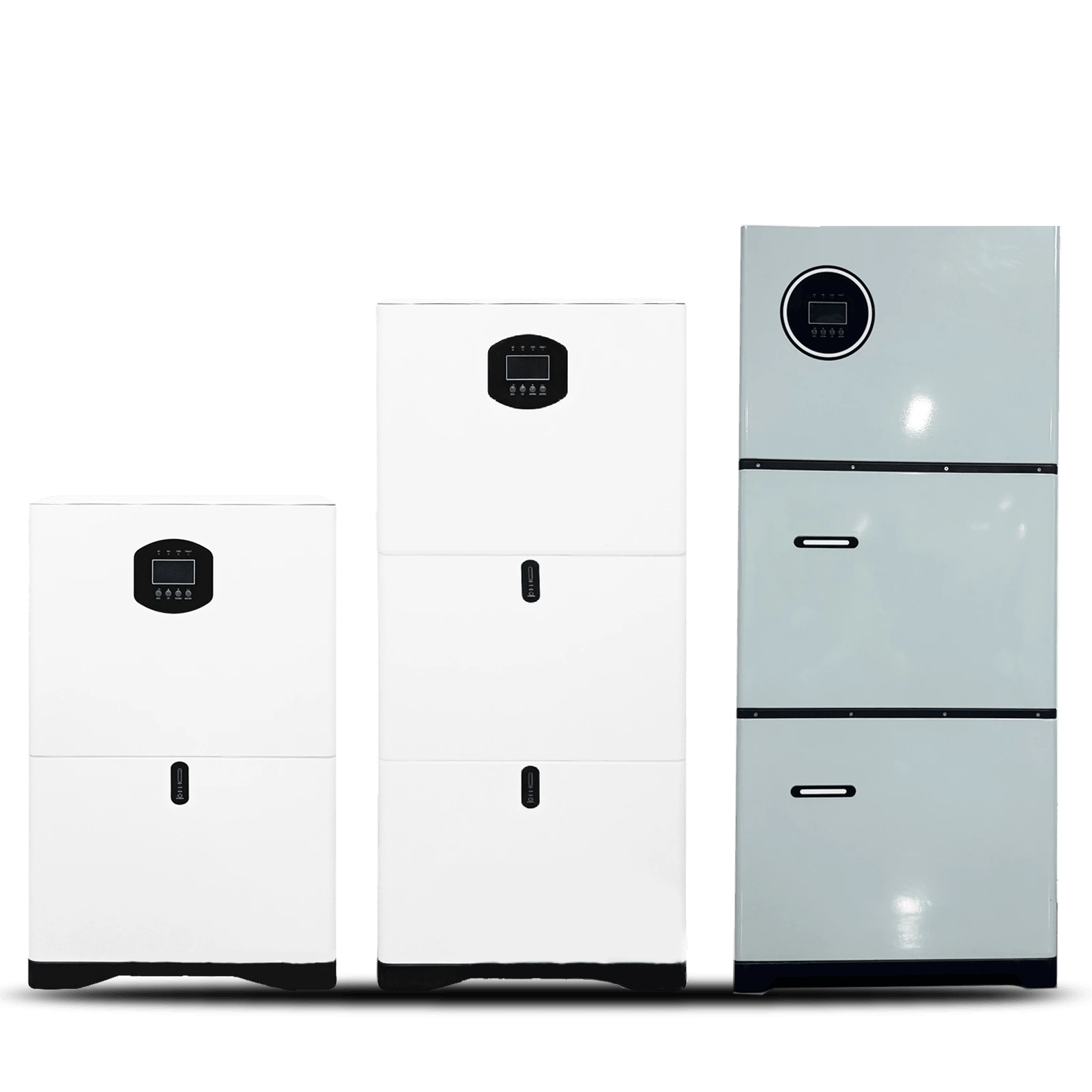
How to Choose an Energy Storage Battery Manufacturer?
If you've been sourcing energy storage batteries for a while, you've probably lived through this: a quote looks great on paper, delivery slips during peak season, and then a batch arrives where two cells in the same pack read wildly different voltages.
If you've been sourcing energy storage batteries for a while, you've probably lived through this: a quote looks great on paper, delivery slips during peak season, and then a batch arrives where two cells in the same pack read wildly different voltages. The supplier goes quiet after your first support ticket.
That's rarely bad luck. Usually it means you signed with a trading company dressed up as a factory, or a small line that couldn't handle the volume.
This guide is for distributors, installers, EPC contractors, project developers, and C&I energy users who need to vet a battery supplier seriously. Not a list of marketing adjectives — a checklist you can actually use before the first PO.
From my experience working with battery projects, buyers usually focus too much on price. However, the problems we see after delivery are rarely caused by price itself. Most people start with price. That's where projects go wrong.
1. Factory capability: can they actually deliver on time?
A lot of companies list themselves as "manufacturers" on B2B platforms. A live video call often reveals a small sales office. A real factory has a few things you can verify:
- Production floor, not just a showroom. Ask for a live walkthrough. A credible supplier won't hesitate. You want to see cell stacking, welding, packing lines, and a separate aging/testing area — not a corner with a few demo racks.
- Automation level. Semi-manual assembly is fine for small batches. For 50–100 kWh packs and up, consistent torque, automated welding, and end-of-line testing decide whether cell-to-cell consistency holds. Skip those steps and the DOD and cycle-life numbers on the datasheet stop matching what customers actually receive.
- Peak-season capacity. This is the one buyers forget. During Europe's solar push, or when an installer needs emergency restock on 24V/48V packs, a small line clogs up fast. You end up waiting eight weeks when the contract said four. Ask for their usual lead time specifically in Q3 and Q4, not "best case."
- Financial stability. It sounds odd, but it matters. A weak balance sheet means when cell prices spike, the easiest way to protect margin is to quietly downgrade cell grade. You won't find out until warranty claims start arriving 18 months later.
At WFS, we've run a plant in Huizhou since 2007, covering cell integration, BMS integration, system assembly, and end testing in-house. That's part of why we put this list together — we've seen what happens when a project is built on a supplier who can't actually scale.
Before you sign: ask for factory floor photos (not stock imagery), monthly output numbers, and who handles incoming QC.
2. Certifications: don't skip the paperwork
Storage batteries are safety-critical. Certifications aren't a marketing badge — they're what let you clear customs, pass building inspection, and sleep at night.
Which ones you need depends on where the battery ends up:
- Transport, any destination: UN38.3, MSDS
- EU / UK residential: CE, IEC 62619, IEC 63056, RoHS
- North America: UL 1973 (battery), UL 9540 (system), UL 9540A (thermal runaway)
- Commercial & industrial BESS: expect system-level certification, not just cell-level
Two questions to put to any supplier:
- Are the certificates under your company's name or the manufacturer's? A factory certificate doesn't automatically cover your brand.
- Can they tell you which standard actually governs your installation? If they hand you a folder of PDFs and can't map them to your project, that's a red flag.
3. Cells and BMS: the two things that decide lifespan
Everything else is secondary. A beautiful cabinet with cheap cells costs you in year 4, not year 1.
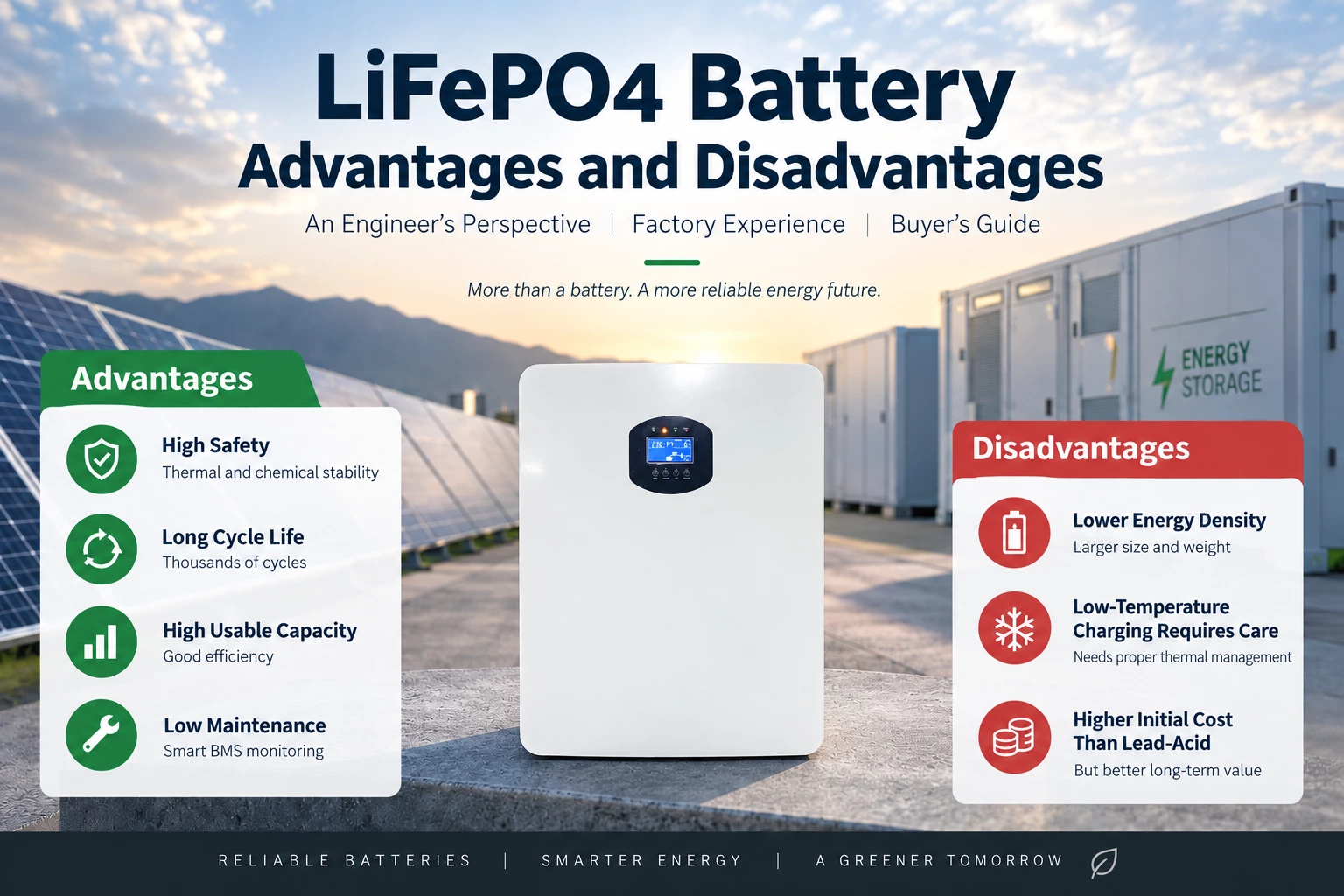
Cells. LiFePO4 is the default chemistry for stationary storage for good reason — thermal stability, long cycle life, and far less venting risk than NMC. But not all LiFePO4 cells are equal.
Ask:
- Which cell brand, and which grade? (A-grade, B-grade, and "customer-specified" are very different products.)
- Can you show incoming-inspection records for the exact batch you'll ship to us?
- Is the lot traceable back to a specific production run?
If a supplier is vague about cell brand or grade, walk away. That's usually where the "good price" comes from.
BMS. The BMS is what keeps a battery safe for ten years. A basic one gives you over-charge, over-discharge, over-temp, and short-circuit protection. A good one also does:
- SOC estimation that doesn't drift after two years (not just coulomb counting)
- Cell balancing that actually works at low idle currents
- Communication that plays nicely with mainstream inverters: CAN, RS485, Modbus
Compatibility matters more than it sounds. If the battery won't talk to the SMA, SolarEdge, or Huawei inverter the customer already owns, you'll spend the first month on site debugging protocols. Ask for a list of inverters they've actually integrated with, not a datasheet.
4. Project track record: papers aren't projects
Datasheets tell you what a battery can do in a lab. Deployments tell you what it actually does in 40°C summer heat, −10°C winters, or under daily peak-shaving cycles.
When you ask for references, ask for:
- Project location (climate zone changes everything)
- Installed capacity
- Application: backup, self-consumption, peak shaving, or off-grid
- How long has it been running?
- Any field issues, and how they were handled
We've shipped systems across residential ESS and C&I BESS — containerized storage, liquid-cooled systems, solar-plus-storage packages. The pattern we keep seeing: the projects that fail quietly aren't the ones with the cheapest cells. They're the ones where nobody on the supplier side had ever commissioned a real installation in that climate before.
If a supplier only has brochures and no referenceable sites in your region, that's a conversation ender.
5. ODM/OEM: can they build for your market?
If you're a distributor, installer, or brand owner, you don't want to resell the same generic unit everyone else on Alibaba has. ODM capability is what separates a partner from a vendor.
Real ODM support includes:
- Enclosure design and branding
- Capacity configuration that fits your typical install
- BMS parameter tuning for your use case (backup cycles and daily cycling need different settings)
- Communication protocol matching
- Custom packaging and labeling for your market
What you don't need is a factory that says "yes, we do OEM" and then sends you the same spec sheet with a new sticker.
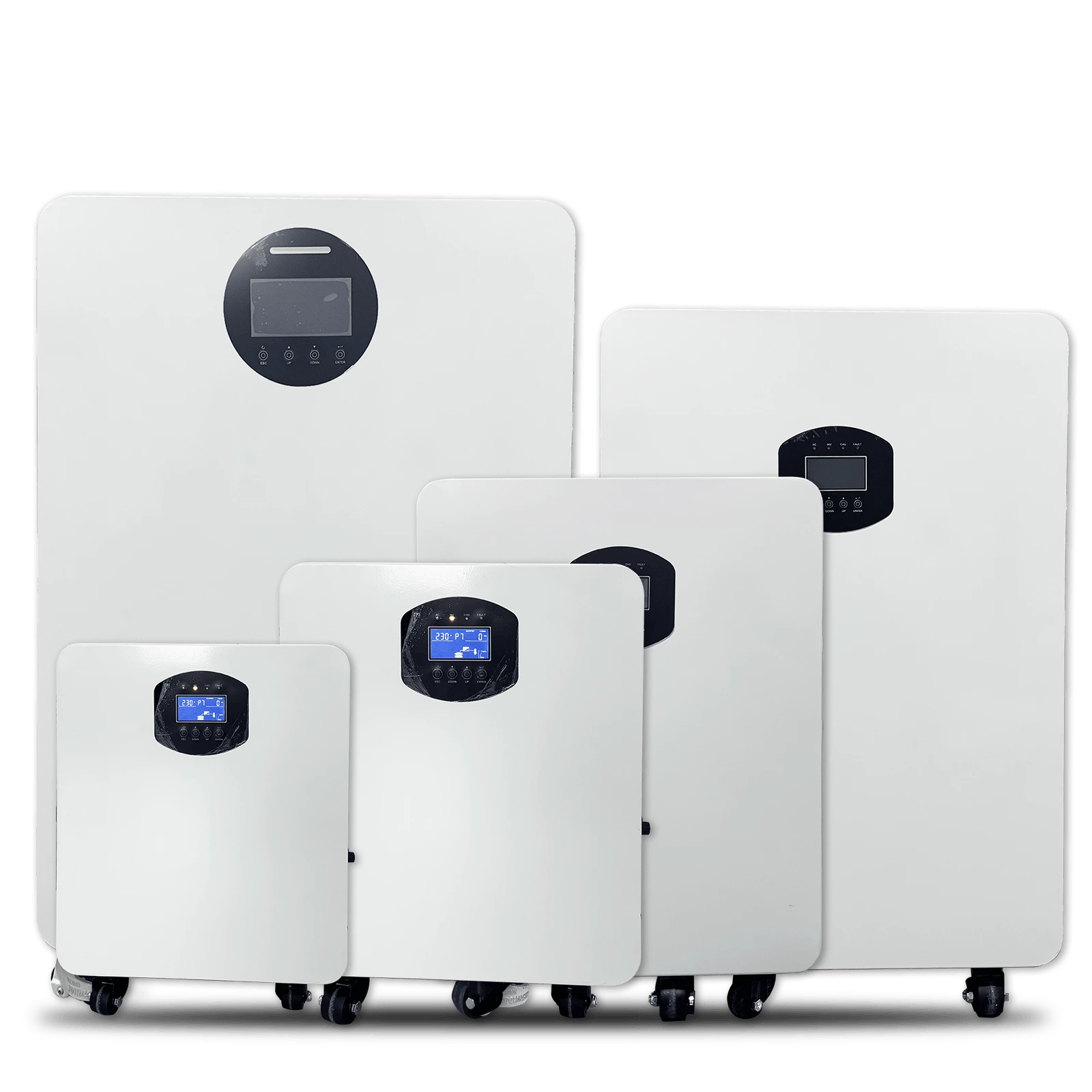
WFS runs OEM/ODM programs for residential and C&I projects, including customized battery systems and integrated ESS products. The point is straightforward: a product tuned to your customer's climate, grid, and inverter stack sells better and fails less.
6. Price: compare total cost, not first quote
Price is the last thing to negotiate, not the first.
A low number usually hides one of four things:
- Lower-grade cells that won't hit the rated cycle life
- Skipped testing (some "manufacturers" cut thermal cycling just to hit lead time)
- Weak after-sales — one email address and no reply
- A warranty that's hard to enforce across borders
When you compare quotes, line up:
- Rated cycle life vs. warranted cycle life
- Warranty duration and what it actually excludes
- Lead time and what the penalty is if it slips
- Who handles on-site issues — you, or them?
A slightly higher first price from a supplier who shows up when something fails is almost always cheaper over a 10-year project.
You're not buying a product off a shelf. You're choosing someone to stand behind the battery for a decade.
Factory capability first, then certifications, cells, BMS, real project references, ODM flexibility — and only then price. If a supplier can't walk you through those six points in order, the cheapest quote will turn out to be the most expensive one you ever accepted.
If you're working on a specific project — residential, C&I, or off-grid — get in touch. We'll tell you honestly whether the spec makes sense, even if it doesn't end up being ours.