Southeast Asian 2MW/4.3MWh Commercial Energy Storage Container Project
A 4.3MWh containerized Battery Energy Storage System (BESS) was successfully deployed for a food processing factory located in Southeast Asia.
The project integrates solar PV, battery storage, and diesel generator backup to create a reliable hybrid energy solution,
Project Name: 2MW /4.3MWH Energy Storage Container
Location: Southeast Asian Markets
Commissioning Date:Commercial operation started in Q3 2025
Project Overview
A 4.3MWh containerized Battery Energy Storage System (BESS) was successfully deployed for a food processing factory located in Southeast Asia.
The project integrates solar PV, battery storage, and diesel generator backup to create a reliable hybrid energy solution, ensuring uninterrupted production while reducing electricity costs and improving renewable energy utilization.
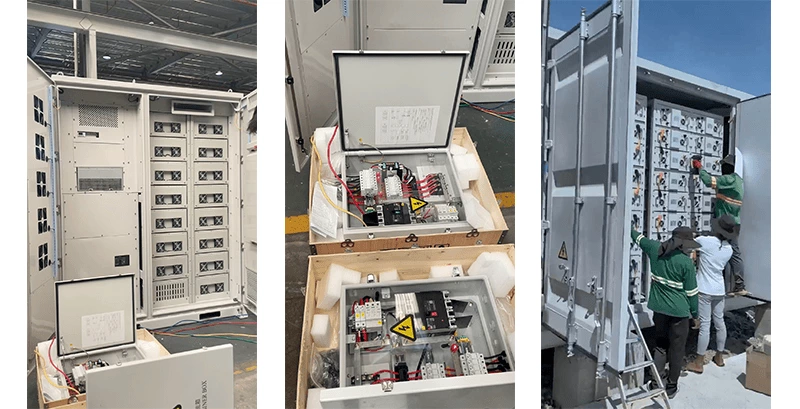
System Configuration
Battery Energy Storage System (BESS):
2MW / 4.3MWh containerized energy storage system
Container Type:
45-foot high-cube container (45SJ), customized for outdoor industrial deployment
Solar PV System:
1.8MW rooftop distributed solar PV system
Backup Power:
Existing diesel generator system integrated into the micro grid
Integrated Components:
PCS, BMS, EMS with intelligent coordination of solar PV generation,grid power and diesel generator
Project Background
Located on an island, the food processing facility operates within a relatively constrained island power grid environment.
Due to limited grid capacity, the region experiences occasional power restrictions during dry seasons. For food manufacturing operations, any unexpected power interruption can result in production downtime, material losses, and significant operational risks.
At the same time, industrial electricity costs in this country include high demand charges, creating additional pressure on manufacturing companies.
Before the energy storage installation:
The factory had installed rooftop solar PV, but excess daytime solar generation could not be fully utilized.
Peak electricity demand resulted in high monthly demand charges.
Diesel generators were mainly used as backup power sources, leading to increasing fuel costs and maintenance expenses.
Energy Management Strategy
1. Grid-Connected Operation Mode
During normal operation, the BESS performs intelligent energy management through peak shaving and solar self-consumption optimization.
The operating strategy includes:
Solar power is prioritized for factory loads during daytime operation.
Excess solar energy is stored in the 4.3MWh battery system.
During evening peak demand periods, the battery discharges to reduce grid power consumption.
Results:
Factory solar self-consumption rate increased from 51% to 86%.Peak electricity demand was significantly reduced.Monthly electricity costs were reduced through demand charge optimization.
2. Off-Grid Microgrid Backup Mode
During grid outages, the energy storage system provides fast backup power to critical production loads.
The EMS automatically coordinates solar PV,battery storage and diesel generator,to form a hybrid microgrid solution.
When battery capacity becomes insufficient during extended cloudy periods, the diesel generator automatically starts and works together with the BESS to maintain stable power supply.This ensures continuous operation of critical manufacturing processes.
Project Benefits & Performance
The implemented energy storage solution delivers measurable operational improvements:
✅ Approximately 25% reduction in monthly electricity costs
✅ 60% reduction in annual diesel generator operating hours
✅ Improved renewable energy utilization
✅ Reduced dependence on unstable grid power
✅ Avoided costly grid expansion investment
System Advantages
1.Reliable Power Supply for Critical Manufacturing
The integrated BESS solution provides seamless backup power and minimizes production interruptions caused by grid instability.
2.Intelligent Energy Management
The EMS platform enables coordinated control between Renewable energy generation,Battery storage,Utility grid and diesel generator,for optimized energy dispatch.
3.Designed for Tropical Industrial Environments
The containerized energy storage system features:tropical climate adaptation,anti-corrosion protection and salt-mist resistance design.Making it suitable for high-humidity and coastal environments.