OEM & ODM Commercial Energy Storage Solutions: A Guide for B2B Buyers
This guide helps B2B buyers evaluate OEM and ODM commercial energy storage solutions, covering service models, customization options, system configurations, and key criteria for selecting a qualified manufacturer.
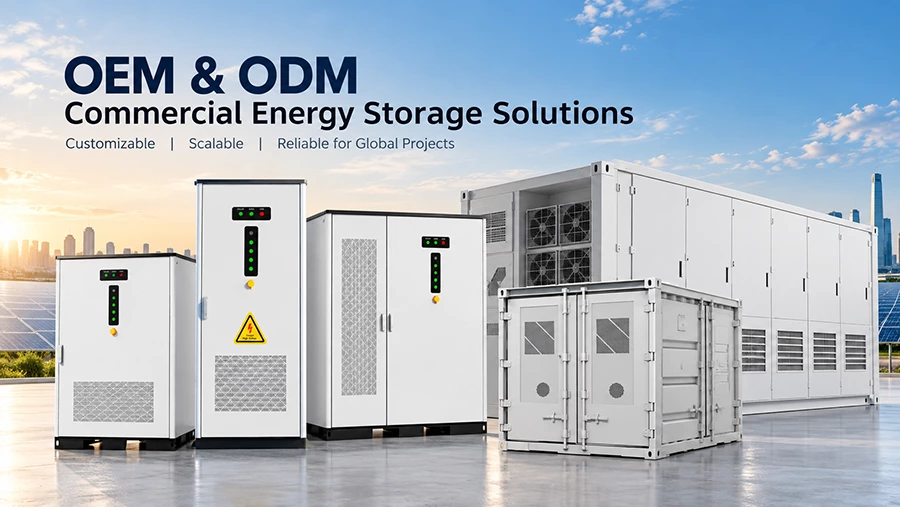
C&I energy storage systems enable site operators to cut peak demand charges, strengthen on-site power resilience, and maximize self-consumption of on-site PV generation.
For distributors, EPCs and system integrators, selecting a qualified OEM/ODM manufacturer is critical to deploying robust storage systems that satisfy varied project specifications.
This guide distinguishes OEM from ODM service models, defines feasible customization scopes, reviews typical C&I battery storage configurations, and outlines core engineering evaluation criteria for vendor selection.
1. OEM vs ODM: What's the Difference?
OEM and ODM are two common manufacturing models in the energy storage industry.
OEM (Original Equipment Manufacturer) typically involves producing established energy storage products under a customer's brand, with customization based on existing product designs.Common OEM services include:
- Private labeling and logo customization
- Customized packaging and product nameplates
- Selection of compatible battery cell brands
- Standard capacity and power configurations
- Bulk manufacturing
ODM (Original Design Manufacturer) involves product design or development according to specific customer requirements.Common ODM services include:
- Customized battery pack and module design
- BMS and EMS development
- Cabinet structure and appearance design
- Specialized system configurations
- Electrical and mechanical engineering
| Feature | OEM | ODM |
|---|---|---|
| Product Design | Existing platform | Customized development |
| Branding | Customer logo | Customer branding and design |
| Battery Cells | Compatible cell selection | Cell selection and possible pack redesign |
| Development Time | Generally shorter | Depends on complexity |
| Best For | Distributors and brands | Specialized projects and brands |
Both models help B2B buyers reduce development costs and accelerate market entry.
2. Types of Commercial Energy Storage Systems
Commercial energy storage systems are available in different capacities and configurations to meet various project requirements.
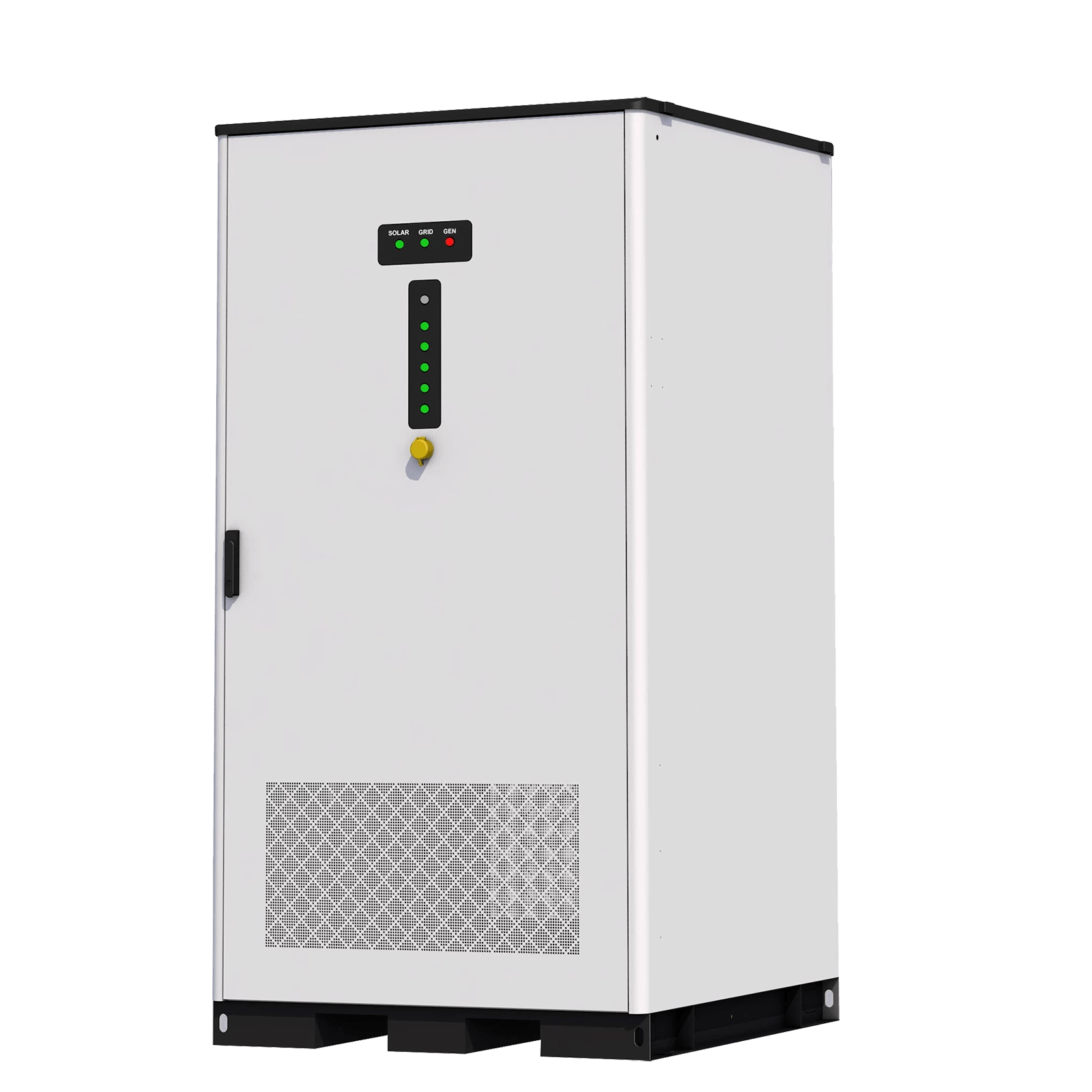
Cabinet-Type Energy Storage Systems
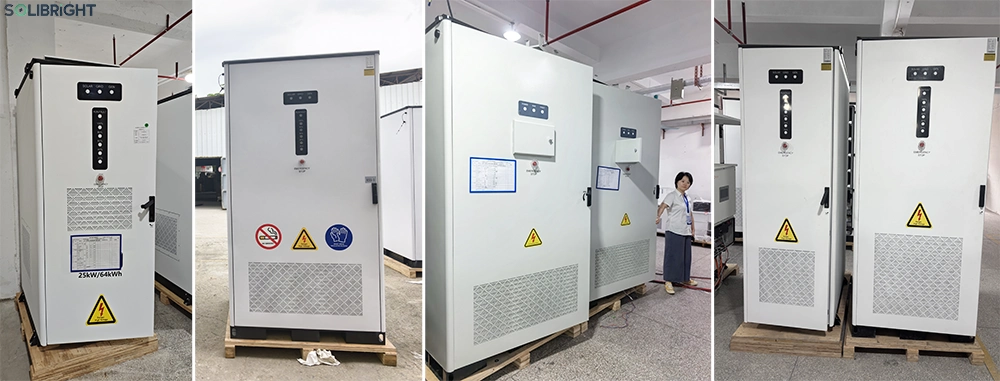
Cabinet-type C&I battery storage systems are widely used in factories, commercial buildings, and solar-plus-storage projects.
| Battery Capacity | Power Rating | Typical Applications |
|---|---|---|
| 100kWh | 55kW | Small commercial facilities |
| 215kWh | 100kW | Commercial energy management |
| 241kWh | 125kW | Industrial facilities |
| 520kWh | 250kW | Large C&I projects |
These systems can support peak shaving, solar energy storage, and backup power when appropriately configured.
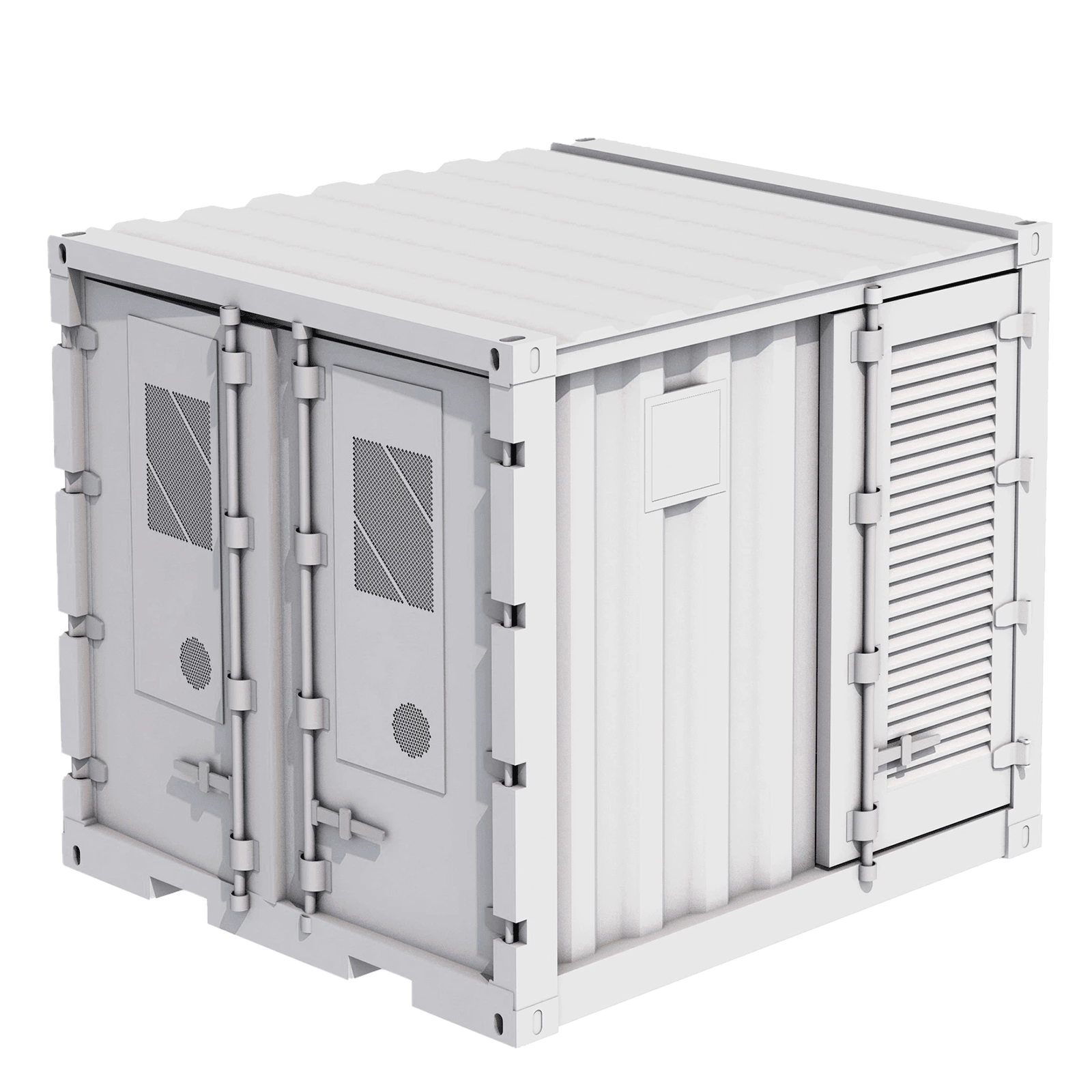
Containerized Energy Storage Systems
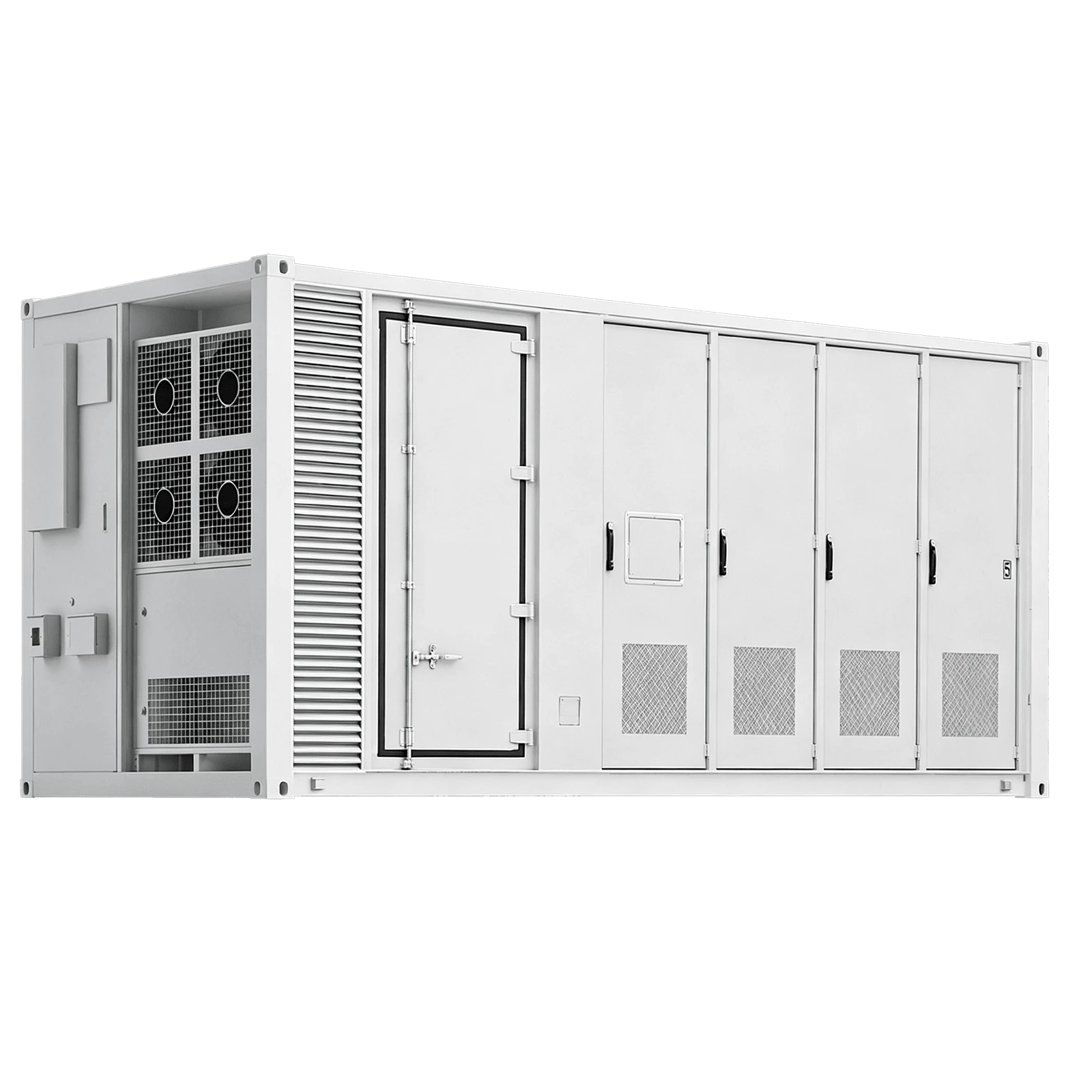
For larger applications, containerized BESS solutions typically offer capacities ranging from 1MWh to 5MWh.
They are suitable for industrial parks, large facilities, and microgrids, with air-cooled or liquid-cooled configurations depending on project requirements.
3. OEM & ODM Customization Options
Working with an experienced manufacturer allows B2B buyers to customize energy storage systems for different markets and applications.
Branding and Appearance
Private labeling, cabinet colors, product nameplates, and packaging can be customized to support customers' branding requirements.
Battery Cell Brand & Specification
Customers may request specific LiFePO4 battery cell brands, such as CATL, EVE, or other qualified suppliers, depending on availability and compatibility.Customization may include:
- Preferred battery cell manufacturers
- Specific cell capacities and models
- Battery module configurations
- BMS compatibility adjustments
OEM Example: A customer requests CATL cells for an existing C&I energy storage system. If the cells are compatible with the original design, this may be handled as OEM customization.
ODM Example: A customer requires a different cell specification that involves redesigning battery modules, modifying BMS functions, or changing the system structure. This may require ODM development.
All cell substitutions should undergo appropriate technical evaluation and testing.
Capacity and Power Configuration
Battery capacity, PCS power ratings, and system configurations can be selected or customized according to project requirements.
Cooling and System Integration
Air cooling, liquid cooling, solar PV integration, diesel generator compatibility, and communication functions may be available depending on the product platform.
4. Key Applications of C&I Energy Storage
Commercial battery storage systems support several important applications.
Peak Shaving: Reduce peak electricity demand and potentially lower demand charges.
Solar Energy Storage: Store excess solar electricity for later use and improve self-consumption.
Backup Power: Provide backup electricity for critical equipment when configured with appropriate backup functionality.
Microgrids: Integrate battery storage with solar PV and diesel generators to support reliable power supply.
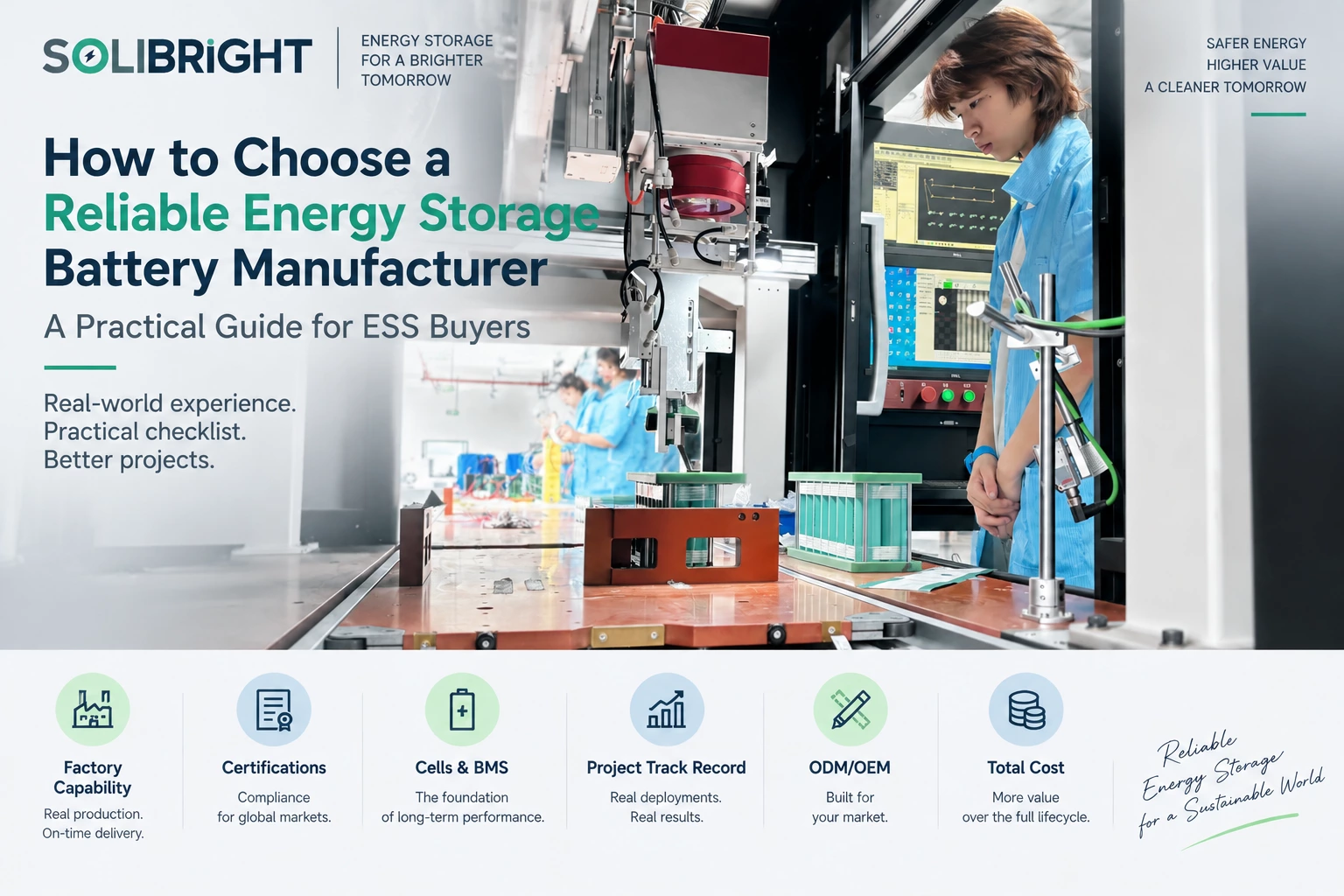
5. How to Choose a Reliable OEM & ODM Manufacturer
Selecting the right energy storage manufacturer is essential for product quality and long-term cooperation.
B2B buyers should evaluate five key factors:
1. Manufacturing Experience
Look for experience in lithium battery assembly, BMS integration, and complete energy storage system manufacturing.
2. Battery Quality and Supply Chain
Verify battery cell quality, supplier reliability, traceability, and the ability to source preferred cell brands.
3. Customization Capabilities
Evaluate engineering support for battery configuration, product design, branding, and system integration.
4. Testing and Certifications
Check production inspections, functional testing, aging procedures, and relevant certifications for the target market.
5. Technical Support and Delivery
Confirm technical documentation, installation support, after-sales service, MOQ, and estimated production lead times.
6. Why Choose WFS for OEM & ODM Energy Storage?
WFS New Energy, established in 2007, specializes in lithium battery manufacturing and energy storage solutions for international B2B customers.
We provide OEM & ODM services for cabinet-type and containerized commercial energy storage systems.
Our Manufacturing Advantages
- Since 2007: Experience in lithium battery and energy storage manufacturing.
- OEM & ODM Services: Branding, battery cell selection, product configuration, and engineering support.
- Flexible Product Portfolio: Commercial energy storage cabinets and containerized BESS solutions.
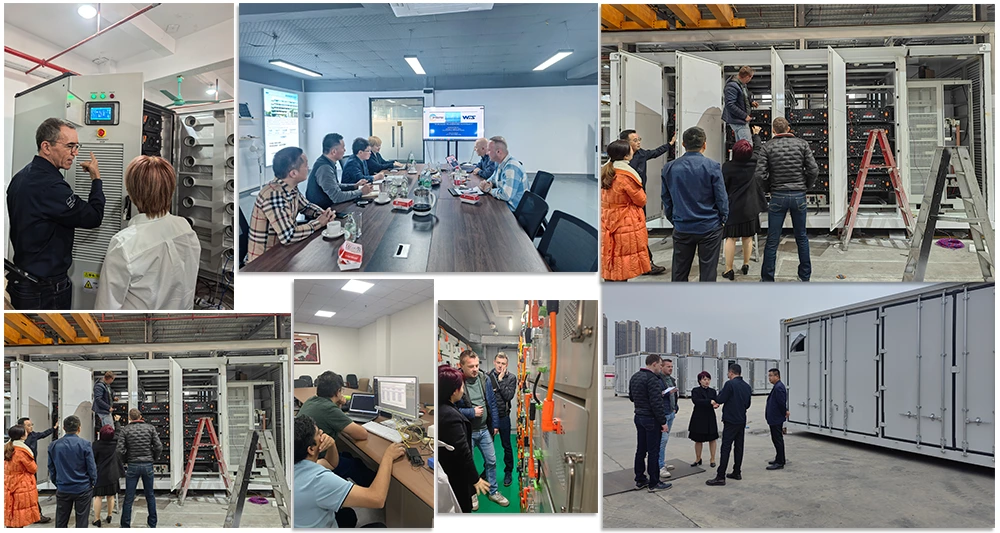
- Manufacturing Capabilities: Battery assembly, BMS integration, system testing, and quality control.
- Global Business Experience: Energy storage products supplied to international markets.
WFS works with distributors, energy storage brands, EPC contractors, and system integrators to deliver customized C&I energy storage solutions.
7. Frequently Asked Questions
Can I specify a battery cell brand for my energy storage system?
Yes. Customers may request brands such as CATL or EVE, subject to availability and compatibility. Significant design modifications may require ODM development.
Can commercial energy storage systems be customized?
Yes. Customization may include battery capacity, PCS power, cell selection, branding, cabinet design, cooling systems, and system integration.
What is the MOQ for OEM & ODM energy storage systems?
MOQ depends on product models, order quantities, and customization requirements. ODM projects may require additional development investment.
How long does OEM/ODM production take?
Lead times depend on product availability, order quantity, component sourcing, and customization complexity.
8. Partner with WFS for Your C&I Energy Storage Projects
Whether you are developing your own energy storage brand or sourcing customized commercial battery storage systems, WFS provides flexible OEM & ODM manufacturing services to support your business.
Looking for a Reliable OEM & ODM Commercial Energy Storage Manufacturer?
Contact WFS New Energy to discuss your project requirements, battery cell preferences, and customization needs.